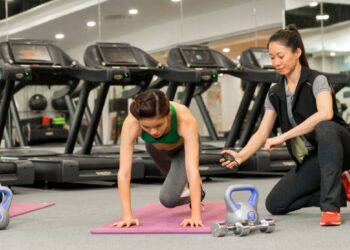
Many people join a gym because they want to improve fitness, lose weight, get stronger, manage stress, or simply build a healthier routine. At the beginning, the decision often looks simple. A person checks the location, compares membership options, looks at equipment, and decides whether the space feels clean and comfortable. But the real value of a gym is not measured by the first visit. It is measured by whether the person can keep using it month after month.
When people search for the best gym singapore, they are usually not looking for a room filled with machines only. They are looking for a place that can support long-term consistency. A basic fitness space may help someone exercise occasionally, but a long-term training gym gives people the structure, variety, support, and environment needed to keep returning even when motivation drops.
Why Long-Term Fitness Needs More Than Equipment
Equipment matters, but it is only one part of the fitness experience. A gym can have rows of machines and still fail to support real progress if the environment feels confusing, crowded, boring, or disconnected from the member’s goals.
Long-term fitness depends on repeatable behavior. People need a space where they can train on busy workdays, during stressful periods, after travel, and even when they are not feeling highly motivated. That requires more than a treadmill or a dumbbell rack.
A stronger gym experience usually includes:
- Clear workout zones
- Useful class schedules
- Comfortable changing areas
- Reliable equipment maintenance
- Supportive staff
- Training options for different levels
- A clean and motivating environment
- Enough variety to prevent boredom
These details may not seem exciting at first, but they shape whether people stay consistent.
A Basic Gym Solves Access, a Better Gym Solves Continuity
A basic gym gives people access to exercise equipment. That is useful, but access alone does not guarantee progress. Many people know what it feels like to join a gym, go regularly for a few weeks, then slowly stop because the routine becomes repetitive or inconvenient.
A better training gym solves continuity. It makes it easier for people to keep going.
This can happen through class variety, smart facility layout, training guidance, flexible hours, and a culture where people feel comfortable returning. The goal is not only to attract people through the door. The goal is to keep fitness integrated into their normal life.
Environment Shapes Motivation
People often think motivation comes only from inside the mind. In reality, environment plays a major role. A clean, organized, well-lit gym can make training feel easier to start. A confusing or poorly maintained space can make people avoid exercise, even if they have good intentions.
The right environment reduces friction. People know where to go, what equipment is available, how to move through a session, and where to cool down afterward. When the space feels intuitive, the workout feels less stressful.
Comfort Encourages Repeat Visits
Comfort is not the same as laziness. A person can still train hard in a comfortable environment. Comfort simply means the space supports the workout instead of making it harder.
In Singapore, indoor comfort also matters because of heat, humidity, and rain. A climate-controlled gym environment can help people focus on movement instead of feeling drained before they even begin.
Training Variety Keeps Progress Alive
One reason people lose interest in fitness is repetition. Doing the same routine every week can become boring, and the body may also stop adapting if the challenge never changes.
A long-term training gym offers variety. This may include strength equipment, cardio machines, group classes, cycling, yoga, HIIT, functional training, and recovery-focused options. Variety allows members to adjust their routine as their goals change.
For example:
- Someone focused on weight management may use strength training and cardio.
- Someone stressed from work may choose yoga or lower-intensity classes.
- Someone wanting better stamina may use cycling or interval training.
- Someone rebuilding confidence may start with machines and light classes.
- Someone experienced may need progressive strength options.
This flexibility supports different seasons of life.
Good Layout Makes Training Easier
Gym layout is often overlooked. A good layout helps people move naturally through their workout. A poor layout creates confusion, crowding, and wasted time.
A useful gym layout should make it easy to identify:
- Cardio zones
- Strength training areas
- Free weight spaces
- Stretching areas
- Class studios
- Changing rooms
- Water points
- Functional training zones
When the layout makes sense, people feel more confident. They spend less time wandering and more time training.
Cleanliness Affects Trust
Cleanliness is not a luxury in a gym. It is a basic part of trust. People sweat, share equipment, use mats, touch handles, and move through changing areas. If the environment does not feel clean, members may not want to return.
A long-term training gym takes cleanliness seriously because it directly affects comfort and reputation. Clean facilities also make the experience feel more professional.
Members are more likely to stay loyal when they feel the space is well cared for.
Classes Add Structure for Busy People
Many people struggle with workout planning. They may know they need to exercise, but they do not always know what to do once they arrive. Group classes solve this problem by providing structure.
A class gives members:
- A fixed start time
- A clear workout format
- Instructor guidance
- Music and energy
- A sense of shared effort
- A predictable session length
For busy professionals, this structure can be powerful. They do not need to design a full routine after a long workday. They can show up, follow the class, and leave knowing the session is complete.
Support Matters at Every Fitness Level
Some people assume support is only needed by new gym users. That is not true. Even experienced members benefit from good programming, class instruction, equipment guidance, and a helpful staff presence.
Support can reduce mistakes, improve confidence, and help people train with better intention. A gym does not need to feel overly personal or intrusive, but members should feel that help is available when needed.
This is part of what separates a serious training environment from a basic fitness space.
Location Still Matters
Even the best facility will not help if it is too inconvenient. Long-term consistency depends heavily on location. A gym near home, work, or a regular commute has a better chance of becoming part of someone’s weekly routine.
People often overestimate how far they are willing to travel for fitness. In the first week, a distant gym may feel manageable. After two months of work stress, traffic, rain, and fatigue, that distance may become a reason to skip sessions.
A practical gym is one that fits real life.
A Strong Gym Helps People Adjust Their Routine
Fitness goals change. A person may begin with weight loss, then become interested in strength. Someone else may start with classes, then add personal training. Another person may recover from a stressful work period and need lower-intensity movement for a while.
A long-term training gym allows members to evolve. It gives them enough options to change without leaving.
This adaptability is important because people do not live the same week forever. Work, health, travel, family, age, and energy levels all change.
The Real Test Is Month Six, Not Day One
The first impression matters, but the real test comes later. Is the gym still useful after six months? Does the member still feel engaged? Are there enough options to avoid boredom? Is the environment still comfortable? Does the location still work?
A basic fitness space may satisfy short-term motivation. A stronger gym supports long-term routine.
That is what people should think about when comparing options. The decision is not only, “Can I exercise here today?” It is also, “Can I see myself coming here regularly for the next year?”
Where Brand Fit Matters
At the final decision stage, people should look for a gym that matches their schedule, training style, comfort level, and long-term goals. The right choice should feel realistic, not just impressive during a tour.
A fitness brand such as True Fitness Singapore can be considered by people who want an indoor training environment with variety, structure, and practical support for consistent fitness in Singapore.
FAQ
What makes a gym suitable for long-term use?
A gym becomes suitable for long-term use when it offers convenience, variety, cleanliness, reliable equipment, class options, and a comfortable environment that encourages repeat visits.
Is equipment variety more important than location?
Both matter, but location often has a bigger effect on consistency. A well-equipped gym that is inconvenient may not be used regularly.
Do group classes help with long-term fitness?
Yes. Group classes can provide structure, accountability, and variety, which help people stay engaged when self-planned workouts become repetitive.
Should people choose a gym based only on price?
Price matters, but it should not be the only factor. A membership is more valuable when the gym is convenient, usable, and supportive enough to become part of a routine.